
"Salvadoran agriculture"
300 article(s) found
Price of Salvadoran Coffee introduction of Salvadoran coffee
Salvadoran coffee refers to the coffee produced in the small South American country of El Salvador, where the coffee body is light, aromatic, pure, slightly sour, the flavor is extremely balanced, is a specialty of Central America. With sour, bitter, sweet and other taste characteristics, the best baking degree is moderate, deep. Salvadoran coffee is characterized by balanced taste, good texture, sour, bitter and sweet taste.

Introduction to the fragrant and authentic Salvadoran Himalayan coffee flavor manor
The national emblem of El Salvador was used on September 15, 1912. The national emblem of El Salvador is an equilateral triangle whose three yellow lines represent equality, truth and justice respectively. Five volcanoes rise between the Pacific Ocean and the Atlantic Ocean, symbolizing the five countries in Central America. The pole of freedom and the red cap of freedom stand high on the top of the mountain, radiating the light of freedom and liberation.

El Salvador Coffee Manor Mercedes Manor Flavor and Taste characteristics planting situation Climate altitude
In addition, the government imposed an additional 15% tariff on exported coffee in 1986, that is, an additional 15% in addition to the existing 30% tax. Taxes, together with unfavorable exchange rates, have greatly reduced the export of coffee and the quality of coffee. The government finally realized the great role of coffee in the national economy, such as solving employment, earning foreign exchange and developing agricultural production.
Introduction of Salvadoran coffee beans the origin of Salvadoran coffee beans production of Salvadoran coffee beans
Unique, mild-tasting coffee. ElSalvador is one of the small countries in Central America with a dense population. The flavor of its coffee is characterized by excellent balance. Today, this coffee accounts for 40% of the country's exports. 35% of the extra hard beans of the best coffee are exported to Germany from January to March. In the early 1990s, guerrilla warfare greatly damaged the country's national classics.

The origin of Salvadoran coffee the flavor of Salvadoran coffee
Salvadoran coffee refers to the coffee produced in the small South American country of El Salvador, where the coffee body is light, aromatic, pure, slightly sour, the flavor characteristic is excellent balance, is a specialty of Central America. With sour, bitter, sweet and other taste characteristics, the best baking degree is moderate, deep. Coffee originated in the early 1990s, guerrilla warfare greatly damaged the country's national economy.

Introduction to the flavor and taste characteristics of the pure and slightly sour El Salvador boutique coffee bean manor.
China Coffee Network El Salvador (ElSalvador) is one of the small countries in Central America, where coffee is light, fragrant, pure, slightly sour and characterized by excellent balance of flavor. It is a specialty of Central America. With sour, bitter, sweet and other taste characteristics, the best baking degree is moderate, deep. Salvadoran Coffee-Coffee Origin in the early 1990s, guerrilla warfare greatly damaged the country

Introduction to the taste and roasting degree of Salvadoran coffee
Salvadoran coffee-Salvadoran coffee flavor: balanced taste, excellent texture suggested roasting method: medium to deep, there are many uses of quality beans: Salvadoran SHB taste characteristics: sour, bitter, sweet mild moderate. Salvadoran coffee ranks side by side with Mexico and Guatemala as the producers of Asa and Merdo, and is fighting for the first place in China and the United States with other countries.
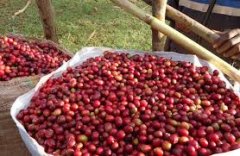
El Salvador-Monterey Manor, famous for its sweetness and perfection, gives a detailed introduction
For the exchange of professional baristas, please follow the coffee workshop (Wechat official account cafe_style) El Salvador-Monterey (Monterey) Manors Rainforest Alliance (RFA) United States Department of Agriculture (USDA) certification El Salvador coffee production has attracted worldwide attention in recent years, which is the result of close cooperation between small coffee farmers and international coffee organizations (groups) that help improve farming and handling methods.
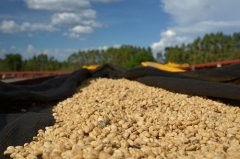
Salvadoran coffee introduces the taste characteristics of Salvadoran coffee
Salvadoran coffee refers to the coffee produced in the small South American country of El Salvador, where the coffee body is light, aromatic, pure, slightly sour, the flavor is extremely balanced, is a specialty of Central America. With sour, bitter, sweet and other taste characteristics, the best baking degree is moderate, deep. Coffee Origin in the early 1990s, guerrilla warfare greatly damaged the country's national economy and made coffee production.

Salvadoran coffee features Salvadoran coffee flavor
Salvadoran coffee refers to the coffee produced in the small South American country of El Salvador, where the coffee body is light, aromatic, pure, slightly sour, the flavor is extremely balanced, is a specialty of Central America. With sour, bitter, sweet and other taste characteristics, the best baking degree is moderate, deep. In the early 1990s, guerrilla warfare greatly damaged the country's national economy, increasing coffee production from the early 1970s.

Classification of Salvadoran coffee beans, introduction of Salvadoran coffee beans
Following Cafe Review (Wechat official account vdailycom) found that the Beautiful Cafe opened a small shop of Salvadoran Coffee beans grading Salvadoran Coffee ranks side by side with Mexico and Guatemala as the producer of Asa and Merdo, and is fighting with other countries for the top one or two places in China and the United States. The highlands of origin are large coffee beans of all sizes, which are fragrant and mild in taste. Vs.
Salvadoran coffee culture Salvadoran coffee flavor
In the early 1990s, guerrilla warfare greatly damaged the country's national economy, reducing coffee production from 3.5 million bags in the early 1970s to 2.5 million bags in 1990-1991. The eastern part of the country was most affected by guerrilla warfare, and many farmers and workers were forced to leave the manor. The shortage of funds has led to a sharp drop in coffee production, from 1200 kg per hectare in the past to no yield per hectare today.

A brief introduction to the market price of pure slightly sour Salvadoran boutique coffee beans
The eastern part of the country was most affected by guerrilla warfare, and many farmers and workers were forced to leave the manor. The shortage of funds has led to a sharp drop in coffee production, from 1200 kg per hectare in the past to less than 900kg per hectare today. In addition, the government imposed an additional 15% tariff on exported coffee in 1986, that is, an additional 15% in addition to the existing 30% tax. Taxes, together with unfavorable

Introduction of Salvadoran coffee price of Salvadoran coffee
In the early 1990s, guerrilla warfare greatly damaged the country's national economy, reducing coffee production from 3.5 million bags in the early 1970s to 2.5 million bags in 1990-1991. The eastern part of the country was most affected by guerrilla warfare, and many farmers and workers were forced to leave the manor. The shortage of funds has led to a sharp drop in coffee production, from 1200 kg per hectare in the past to no yield per hectare today.

The Origin of Salvadoran Coffee the flavor characteristics of Salvadoran coffee
Salvadoran coffee refers to the coffee produced in the small South American country of El Salvador, where the coffee body is light, aromatic, pure, slightly sour, the flavor is extremely balanced, is a specialty of Central America. With sour, bitter, sweet and other taste characteristics, the best baking degree is moderate, deep. Coffee Origin in the early 1990s, guerrilla warfare greatly damaged the country's national economy and made coffee production.

Boutique coffee Salvadoran coffee origin Salvadoran coffee flavor
Coffee Origin Editor in the early 1990s, guerrilla warfare greatly damaged the country's national economy, reducing coffee production from 3.5 million bags in the early 1970s to 2.5 million bags in 1990-1991. The eastern part of the country was most affected by guerrilla warfare, and many farmers and workers were forced to leave the manor. The shortage of funds has led to a sharp drop in coffee production, from 1200 kg per hectare in the past to today's

Varieties of Salvadoran coffee beans Salvadoran coffee history
Coffee Origin Editor in the early 1990s, guerrilla warfare greatly damaged the country's national economy, reducing coffee production from 3.5 million bags in the early 1970s to 2.5 million bags in 1990-1991. The eastern part of the country was most affected by guerrilla warfare, and many farmers and workers were forced to leave the manor. The shortage of funds has led to a sharp drop in coffee production, from 1200 kg per hectare in the past to today's
Salvadoran coffee beans how much is a jin of Salvadoran coffee flavor
Salvadoran coffee refers to the coffee produced in the small South American country of El Salvador, where the coffee body is light, aromatic, pure, slightly sour, the flavor is extremely balanced, is a specialty of Central America. With sour, bitter, sweet and other taste characteristics, the best baking degree is moderate, deep. Salvadoran coffee ranks side by side with Mexico and Guatemala as the producers of Asa and Merdo, and is

El Salvador Coffee Flavor Taste Manor production area introduces El Salvador boutique coffee beans
The government finally realized the great role of coffee in the national economy, such as solving employment, earning foreign exchange and developing agricultural production, so it privatized some coffee export industries in 1990, hoping to increase the income rate of coffee in the export market. Today, this coffee accounts for 40% of the country's exports. The best quality coffee is exported from January to March, with 35% of the extra hard beans coming out.
The flavor of Salvadoran coffee an introduction to Salvadoran coffee
In the early 1990s, guerrilla warfare greatly damaged the country's national economy, reducing coffee production from 3.5 million bags in the early 1970s to 2.5 million bags in 1990-1991. The eastern part of the country was most affected by guerrilla warfare, and many farmers and workers were forced to leave the manor. The shortage of funds has led to a sharp drop in coffee production, from 1200 kg per hectare in the past to no yield per hectare today.